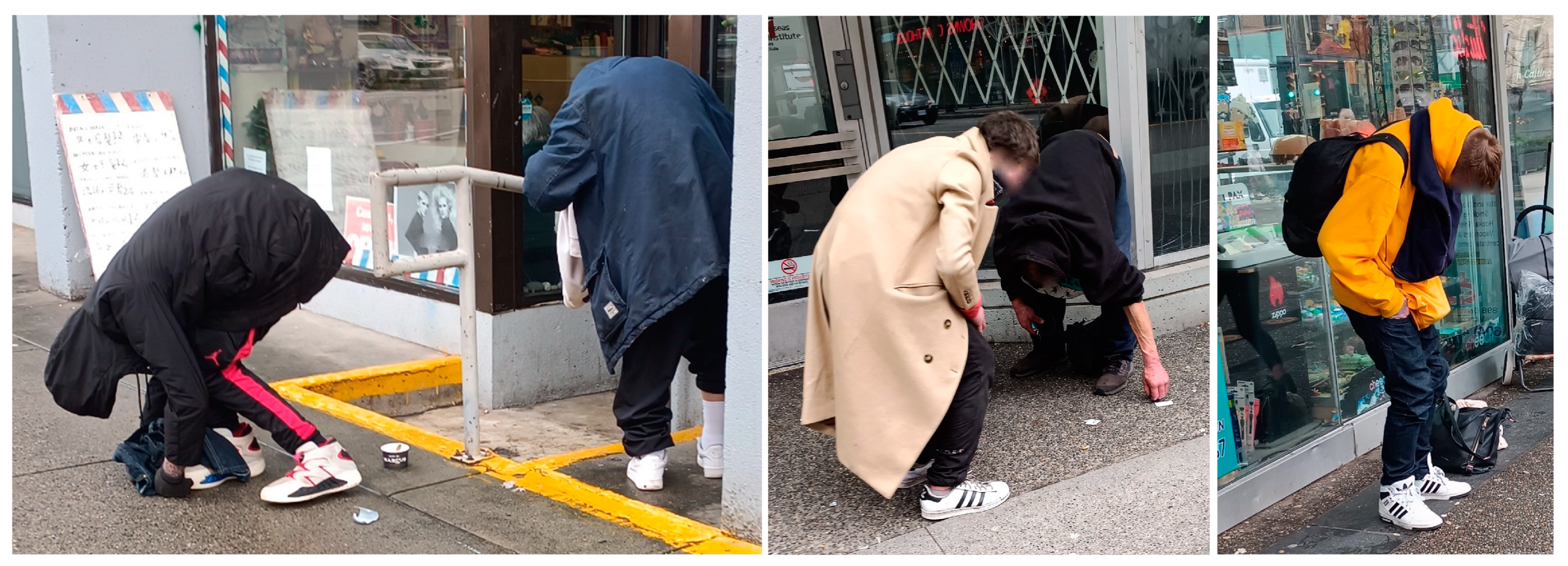
Denver is confronting a growing public health emergency as potent synthetic drugs, particularly xylazine—commonly referred to as the “zombie drug” or “tranq”—infiltrate the city’s illicit drug supply. This veterinary tranquilizer, often mixed with fentanyl, is contributing to a surge in overdose deaths and severe health complications, prompting some residents to liken the situation to a “drug zombie apocalypse” because when you see someone who is high they act in a zombie like manner.
What Is Xylazine?
Xylazine is a powerful sedative approved only for veterinary use. When ingested by humans, especially unknowingly, it can cause dangerously low blood pressure, slow heart rates, blackouts, and severe skin wounds that may lead to amputations. Its combination with fentanyl, known as “tranq dope,” complicates overdose treatments, as xylazine is not an opioid and does not respond to naloxone, the standard overdose-reversal drug.
The Impact in Denver
In 2022, Denver police detected 18 cases of xylazine through a fentanyl-monitoring project. The city’s medical examiner reported that fentanyl-related deaths reached 233 that year, a significant increase from 20 in 2017. The presence of xylazine exacerbates the crisis, leading to more complex and deadly overdose scenarios.
Local businesses, particularly along Colfax Avenue, have expressed concerns about the visible increase in drug use and overdose deaths in public spaces, impacting community safety and economic activity. Drive around and look in the alleys and parking lots and you will find strung out drug abusers. Just yesterday I looked out my kitchen window and watched two men come over from behind the parking lot of a local business where they purchased drugs and smoke them right outside of my kitchen window. This happens in every nook and cranny in Denver.
Drive by the Papa Johns on Colfax and Downing, not during the middle of the day but like at 6-7AM, look at the parking lot, behind the restaurant, by the liquor store and you will find ruminants of the day before, it is so disgusting and unsafe that the entire block of N Downing before 16th feels unsafe being outside, no one feels safe enough to go for a walk. People drive to this area to sell and use drugs.
This is not just isolated to N Downing, it’s all over our city and no one is doing anything to help. The businesses at Downing and Colfax need to have their licenses yanked and shut down and the area needs to be cleaned up. Denver does not have enough police to help the situation but one thing everyone tells you, and you can see it, it is out of control. It’s almost as if we are becoming Downtown Portland.
Public Health Response
Denver health officials are working to address the crisis by implementing measures such as distributing free naloxone and fentanyl testing kits. The city plans to begin testing wastewater for fentanyl to monitor the drug’s prevalence. But many residents are taking to social media to say this is not enough, not even close to enough. Many residents have stated that some of the drug users are so far gone that not even rehab will be able to bring them back.
Advocates emphasize the need for supervised use sites, where individuals can use drugs under professional supervision, to prevent overdoses and connect users with treatment services. Many residents disagree with this stating that it will only serve to make the problem worse. Many on social media are begging the city to take more appropriate steps, jail those that are selling or pushing the drugs, put those that truly want help into rehab and institutionalise those that are too far gone to ever be a part of society again. Residents have stated many times that they are afraid to even go for a walk in Denver out of fear of being harmed by Denver’s drug zombies.
No End in Sight
Denver’s escalating drug crisis, marked by the emergence of xylazine-laced substances, presents a complex challenge requiring a multifaceted response. As the city grapples with increasing overdose deaths and public health concerns, coordinated efforts between health officials, law enforcement, and community organizations are essential to mitigate the impact and provide support to affected individuals.
For a visual exploration of the issue, the following video:
Marie Mendola
IOS users can find The Crime Shop on Apple News
 PRAGMATIC ISSUES