By the end of last year we all knew it was over, the merger between Kroger and Albertsons was blocked due to concerns over competition and price increases. Federal judges ruled that the merger would eliminate competition and weaken union bargaining power, as the FTC argued that it would lead to higher prices for consumers and diminish safeguards for workers.
Additionally, the merger was challenged by various states and local communities, which opposed the consolidation of grocery stores to maintain competition and lower prices.
So congratulations, the FTC and a number of states stopped Kroger and Albertsons from merging. The Biden administration, the FTC, and a couple of state attorneys general strutted onto the stage, beat their antitrust drums, and declared they had saved consumers from a grocery monopoly.
Cue the applause, the press releases, the back-patting.
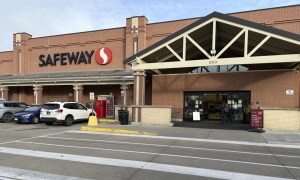
But what does “winning” look like in real life? As of today, Safeway has announced store closures. That’s right the same Safeway that was supposed to be “protected” from Kroger’s clutches is quietly shuttering locations anyway.
In the end, the FTC didn’t stop consolidation.
It just made sure the pain would come in the form of fewer local grocery stores, not fewer corporate logos.
The cruel irony of antitrust theater is that politicians get headlines, lawyers get billable hours, and the public still loses. The merger might have been ugly, but at least the promise on paper was that Kroger would spin off hundreds of stores to keep competition alive.
Instead, we get death by a thousand cuts, closures one by one, neighborhood by neighborhood, until your “corner store” is a 20-minute drive away.
The reality is that grocery retail is already dominated by giants, Walmart, Costco, Amazon/Whole Foods.
Kroger and Albertsons were simply trying to survive in the same arena.
By blocking the merger, the government didn’t preserve competition, it preserved the illusion of competition while Safeway and Albertsons quietly bleed out.
If you’re a shopper in Denver, Seattle, Portland, or Phoenix, does it matter whether the name on the store is “Safeway” or “Kroger” if the store doesn’t even exist anymore?
Antitrust crusaders can celebrate, but the people who actually buy milk and bread are staring at empty lots where their grocery stores used to be.
The truth is bitter, the FTC stopped a megamerger only to accelerate a slow-motion collapse.
So when you read about “consumer protection,” remember that it really means fewer stores, longer lines and higher prices.
The logos may have stayed separate, but the aisles are disappearing all the same.
 PRAGMATIC ISSUES
You must be logged in to post a comment.