Americans Are Joking About Working for the Cartel Because Washington, Trump, and the War on Drugs Made a Joke of the Country
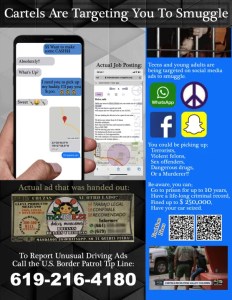
America is losing a vibes war to the cartel.
Not a shooting war. Not a border war. A vibes war. And TikTok comment sections are the battleground.
Videos joking that the cartel is “hiring” have gone viral, and instead of horror, Americans responded with résumé humor. People asked about benefits. They asked if management was transparent. They joked that at least the cartel is honest about the risk instead of pretending a 70-hour workweek is “opportunity.”
That reaction didn’t come from nowhere.
It came from a country that no longer believes its own government is telling the truth about anything.
The cartel TikToks aren’t dangerous because they recruit. They’re dangerous because they expose how little credibility the United States government has left. When Americans sarcastically compare cartel employment to civic life, they’re not flirting with crime.
They’re mocking a system that has failed them so consistently that satire feels more accurate than policy.
For decades, Washington has waged a self-righteous War on Drugs that never ends, never works, and somehow always justifies more money, more prisons, more dead bodies, and more foreign enemies.
Venezuela.
Mexico.
Colombia.
Pick a villain, slap a narco label on it, and call it national security.
Meanwhile, drugs are everywhere, overdoses are everywhere, and Americans are told the solution is more slogans and another enemy abroad.
This is the punchline Americans are laughing at.
The United States lectures the world about morality while destabilizing countries, funneling weapons, laundering money through banks, and then acting shocked when criminal organizations flourish. It declares war on drugs, not on poverty, not on despair, not on the economic conditions that make illicit economies inevitable.
And then it wonders why people don’t take it seriously.
Enter Donald Trump, the loudest symptom of this rot. A man who screams about law and order while pardoning criminals he likes, like the full pardon he handed to Juan Orlando Hernández.
Trump rants about cartels while embodying the same transactional ethics.
Loyalty over law.
Power over truth.
Chaos marketed as strength.
Trump didn’t drain the swamp. He put a gift shop next to it and charged admission.
So when Americans joke that the cartel seems more straightforward than Washington, they’re not praising violence.
They’re rejecting hypocrisy.
The cartel doesn’t pretend to be noble.
The US government does.
The cartel doesn’t wrap brutality in patriotism.
The government does.
The cartel says: do this job, take the risk, get paid.
Washington says: work harder, accept less, pay more, trust us, vote again, wait longer, and shut up when nothing changes.
That’s why the jokes land. That’s why they spread. That’s why they sting.
This isn’t Gen Z brain rot. It’s institutional failure with a punchline. It’s a population raised on broken promises using humor to cope with the realization that the empire has nothing left to offer but reruns.
America can bomb Venezuela in rhetoric, sanction it into misery, blame it for drugs, and pretend the problem lives everywhere except home. But TikTok already knows the truth.
The war isn’t on drugs.
It’s on credibility.
And the government is losing badly.
The most damning thing about these cartel jokes isn’t that people are tempted by crime. It’s that they no longer believe their own country deserves loyalty by default.
That belief used to be earned.
Now it’s demanded.
Loudly.
Repeatedly.
Desperately.
And until Washington offers something real instead of fear, nostalgia, and Donald Trump yelling about greatness that never seems to arrive, Americans will keep laughing.
Not because the cartel looks good.
But because the joke is that the United States government looks worse.
 PRAGMATIC ISSUES
You must be logged in to post a comment.