A headline recently caught the attention of many Americans.
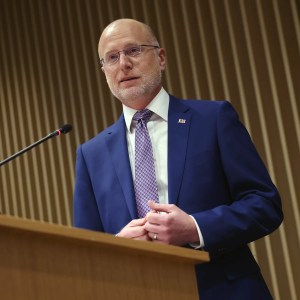
The Federal Communications Commission Chairman Brendan Carr, a Trump appointee warning broadcasters about their coverage of the war involving Iran while Donald Trump publicly criticises the media.
For many people the reaction was immediate.
That sounds dangerously close to censorship.
In the United States the relationship between government and the press has always been intentionally tense. The First Amendment exists precisely because the founders believed power must be watched and challenged. A free press is not supposed to make leaders comfortable. It is supposed to ask difficult questions especially during moments of war and crisis.
War reporting has always been messy and controversial. Governments want control over the narrative. Citizens want to know what is actually happening. Journalists sit in the middle trying to uncover the truth while powerful institutions often prefer silence or loyalty.
This tension is not a flaw in democracy.
It is the point.
When officials begin suggesting that broadcasters could face consequences over how they cover a war the conversation immediately shifts from journalism to pressure. Even if those warnings are framed as protecting the public interest the signal sent to newsrooms is impossible to ignore.
Be careful about what you say.
In any democracy that message should make people uneasy.
The United States has always prided itself on having one of the most aggressive and independent press environments in the world. Reporters challenge presidents. Investigate corporations. Question military decisions. Sometimes they get it wrong. Sometimes they uncover uncomfortable truths.
But the system only works when journalists know that asking those questions will not bring retaliation from regulators or political power.
Because the moment reporters begin worrying that their licenses or livelihoods depend on whether those in power approve of their coverage something fundamental begins to break.
A free press is not measured by how kindly it treats leaders during easy moments.
It is measured by whether it is allowed to challenge power during the hardest ones.
And when any government begins warning the press about how it should report on war Americans should not be debating whether journalists are being too critical.
They should be asking why anyone in power feels comfortable threatening the people whose job is to keep the public informed.
When regulators start warning journalists about how to cover a war the public should start asking very uncomfortable questions.
 PRAGMATIC ISSUES
You must be logged in to post a comment.